When you hold a book in your hands, you rarely think about its binding—yet it is precisely this aspect that often plays a decisive role in the book’s impact and usability. The so-called Swiss brochure offers a particularly elegant and functional solution. This binding style is especially in demand in the high-end print sector, where both appearance and usability are important. It combines durability with design sophistication and, thanks to the way it opens, allows for a comfortable reading experience.
In this blog post, we’ll take a closer look at the Swiss-style brochure: Where did it come from? How is it structured? And why is it particularly well-suited for books with a focus on design or heavy use? We’ll also show you how we at Beltz Grafische Betriebe in Bad Langensalza professionally produce this type of binding—and what benefits it can bring to your projects.
The Origins and Distinctive Features of the Swiss Paperback
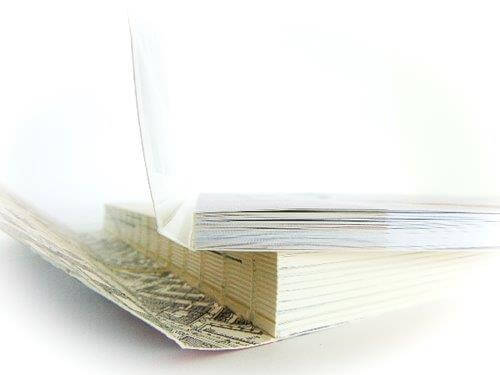
The Swiss paperback is a special type of bookbinding in which the book block is not directly attached to the cover. Instead, the book block is first encased in its own cover—usually made of thinner cardboard—and then glued to the back of a sturdier cover. The spine remains visible, which creates a distinctive look while also offering practical advantages.
Unlike traditional brochures or perfect-bound books, a book with a Swiss-style binding can be opened very flat. This makes reading and flipping through the pages much easier—especially for reference works, design books, or presentation materials.
Another distinctive feature is the separation of the cover from the spine: the spine of the actual book block remains fully visible or is designed in a different color. This openness gives the Swiss brochure its modern, high-quality character—and makes it a popular choice for creative printing projects with high design standards.
Technical Design: How the Binding Works
The Swiss-style booklet combines technical sophistication with a distinctive look. Its design also impresses with its functionality and quality.
Choice of Material for the Cover and Interior
For the cover, a slightly sturdier cardboard is usually chosen to provide stability and a sense of quality. The book block itself, on the other hand, can be made of lightweight, flexible paper. Separating these two elements allows for a customized choice of materials—both functionally and aesthetically.
Typical adhesive or thread-bound insert
The book block of a Swiss paperback is typically sewn or adhesive-bound. Both methods ensure high durability, and the sewn binding additionally allows the pages to lie particularly flat—ideal for content that needs to be fully visible, such as in coffee-table books or graphic works.
Differences from a traditional brochure
Unlike a traditional paperback, in which the book block is glued directly into the cover, the spine of a Swiss paperback remains exposed. This not only gives the product a unique appearance, but also improves its feel and usability.
The Swiss-style paperback is therefore a well-thought-out solution for demanding printing projects —offering clear advantages in terms of technology, design, and functionality.
An Overview of the Advantages of the Swiss-Style Booklet
The Swiss-style brochure not only stands out for its distinctive look, but also offers numerous functional advantages. It combines creative freedom with sophisticated technology—making it ideal for high-quality printed products.
Practical and aesthetic considerations
- Lays flat when opened: This feature is a major advantage, especially for double-page spreads—such as in coffee-table books or visually sophisticated publications.
- High durability: The use of thread stitching or strong adhesive binding ensures a long-lasting finish.
- Visual sophistication: The open spine and exposed book block make a bold statement in the layout and design.
Applications: Design, Tactile Feel, Usability
The Swiss brochure is often used in situations where design and user-friendliness are equally important. Typical applications include:
- Art and Exhibition Catalogs
- Design Books and Magazines
- Corporate publications that prioritize tactile quality and reading comfort
Thanks to its open binding, it’s especially easy to turn the pages and feels comfortable in the hand—a welcome feature when reading longer texts or presenting content.
Who benefits from this type of binding?
Designers, publishers, and companies that value attention to detail and differentiation will find the Swiss brochure to be a high-quality tool for brand communication. Agencies looking to create a unique print product for their clients also benefit from the versatility of this binding style.
Swiss Paperback from Beltz: Quality Meets Design
For years, the Swiss-style paperback has been a staple of Beltz Grafische Betriebe’s portfolio of high-quality book productions in Bad Langensalza. It offers not only creative diversity but also high-quality technical execution—precisely crafted, durable, and visually appealing.
Real-World Examples
Numerous projects in the fields of art, culture, and science have already been produced as Swiss-style brochures. This binding style is particularly popular when content and design are meant to be on equal footing. Whether exhibition catalogs, design publications, or promotional brochures—the combination of high-quality craftsmanship and a modern look is a winner across the board.
Technical Implementation at Beltz Grafische Betriebe
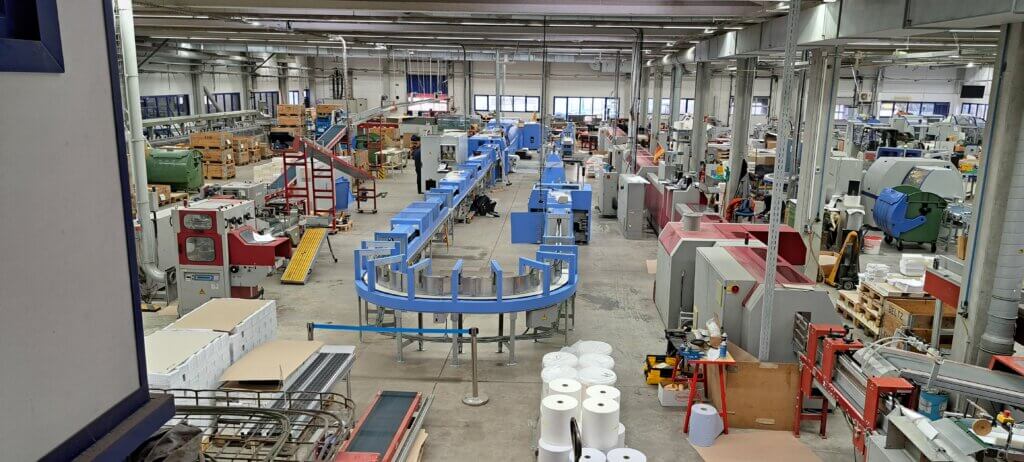
Production takes place on state-of-the-art equipment that guarantees precision and efficiency. Thread stitching or high-performance adhesive binding ensures the necessary stability. We’re happy to advise you on the choice of materials for the cover and interior—tailored to your specific project and target audience. The result: a durable, stylish product that clearly stands out from standard brochures.
Get advice now
Are you planning a project with specific design and tactile requirements? We’d be happy to support you with our experience, expertise, and a willingness to listen to your ideas.
➡️ Contact us now for a consultation.