Not all paper is created equal—especially in high-quality printing, where subtle differences make all the difference. While coated paper is known for its smooth surface and high color brilliance, uncoated paper stands out for its natural feel, authentic look, and versatility. More and more creative professionals, publishers, and companies are specifically choosing uncoated paper varieties when they value character, sustainability, and a unique reading experience.
Uncoated paper does not have an additional coating—which means that the fibers remain exposed, the material reflects light particularly well, colors appear matte and subtle, and the surface feels pleasantly textured to the touch. It is precisely these characteristics that make it the ideal choice for printed materials with a natural look and a high-quality appearance.
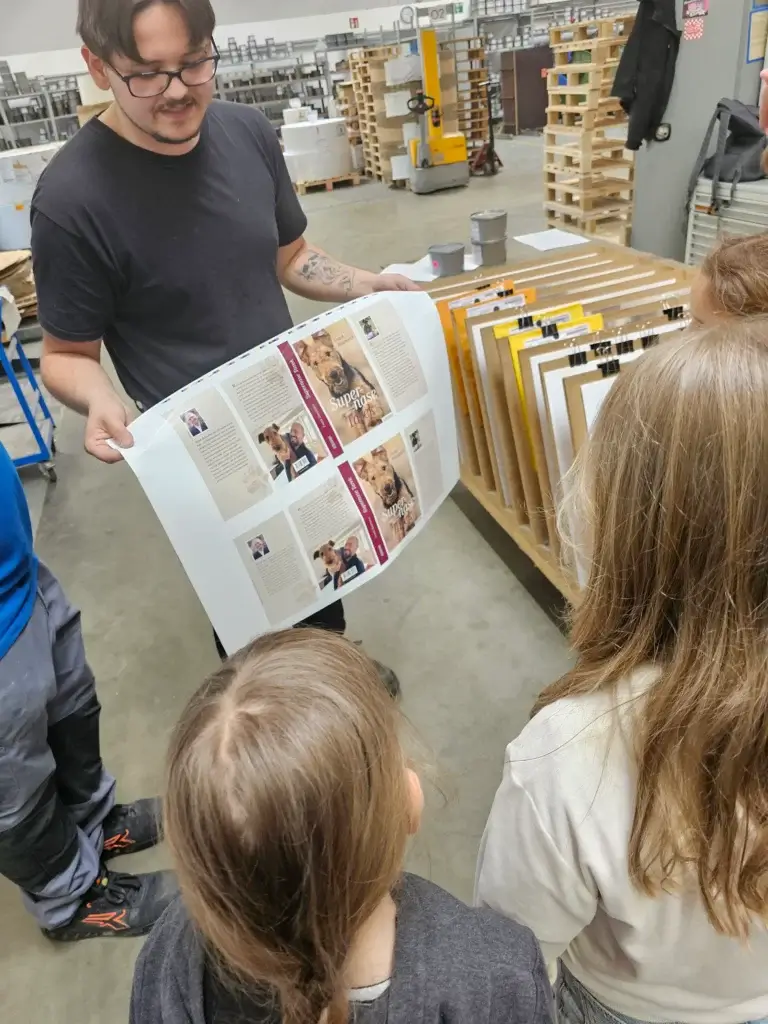
At Beltz Grafische Betriebe in Bad Langensalza, uncoated paper has long been part of our standard repertoire. Whether it’s books, brochures, or business stationery—we know what matters when it comes to processing and provide our customers with personalized advice on choosing the right material. In this blog post, we’ll show you what makes uncoated paper so special and in which situations it really shines.
What is uncoated paper?
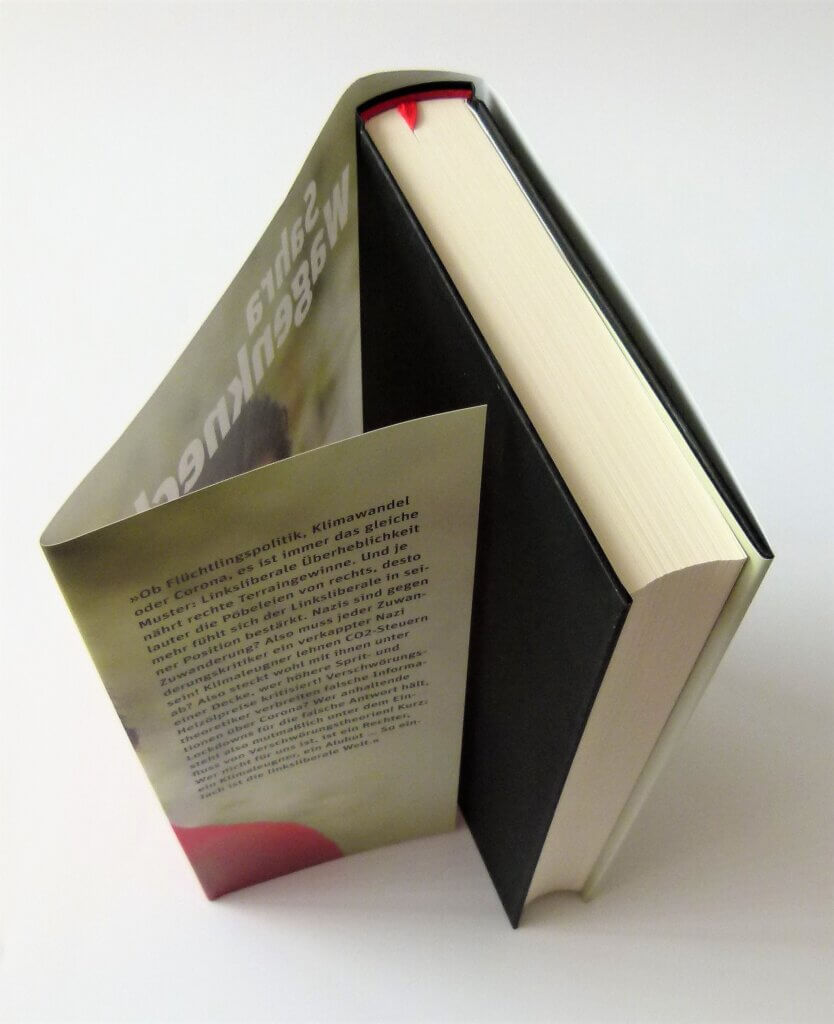
Uncoated paper—also known as natural paper—is paper that does not have an additional coating. This means that the surface remains open-pored, the paper fibers are noticeable, and they give the material a very special texture. Unlike coated paper, it is not finished with a layer of chalk or latex, which preserves its natural character.
These characteristics result in some notable differences:
Typical characteristics of uncoated paper:
- Open-grain finish: No sheen, just a matte, authentic look
- High absorbency: Paints and ink penetrate deeper, resulting in a more subtle effect
- Textured surface: A noticeable texture that makes reading a particularly pleasant experience
- Less glare: Ideal for longer reading passages, as it is easy on the eyes
Thanks to modern paper manufacturing, uncoated paper is now available in many varieties—from cream-colored to bright white to recycled grades. At Beltz Grafische Betriebe, we specifically use uncoated paper for products where a natural look, sustainability, and the reading experience are paramount. This material truly comes into its own, especially when combined with appropriate typography and a minimalist layout.

Design, Impact, and Sustainability
Uncoated paper provides a natural look and a pleasant feel. It reflects very little light, resulting in a matte, somewhat subdued color appearance. It is therefore often used for print projects where readability, a natural look, or a subtle visual effect are important—such as for fiction, work materials, or sustainable corporate communications.
Uncoated paper also stands out when it comes to environmental friendliness: Fewer chemical processes are required during production, and it is also easy to recycle. At Beltz Grafische Betriebe, sustainability has been a central focus for years. This includes the use of resource-efficient materials, certified processes, short transport routes, and the reduction of packaging materials. Thus, uncoated paper is used not only for design reasons, but also because it aligns with a responsible approach to production—and makes that approach visible.
🌳 Would you like to learn more about sustainability and environmental certification at Beltz Grafische Betriebe? Check out our website and blog.
Different Characteristics: When Is Uncoated Paper the Best Choice?
A look at real-world applications shows that uncoated and coated paper differ significantly in terms of print quality, texture, and possible uses. The following table summarizes a direct comparison as well as typical areas of application:
| Aspect | Uncoated paper | Coated paper |
|---|---|---|
| Surface | Open-pored, matte, slightly textured | Smooth, glossy, or satin-finish with a coating |
| Color impression | Subdued, warm—colors appear softer | Brilliant, high-contrast—ideal for photos |
| Writability | Very good, suitable for handwritten notes | Limited; ink or pen may smudge |
| Text Readability | Low glare, comfortable to read | When glossy, the surface is sensitive; the gloss may be distracting |
| Special Finishes | Well suited for hot stamping and letterpress printing | Ideal for UV or soft-touch coatings, metal foils |
| Areas of Application | Notebooks, stationery, environmental brochures, literature | Magazines with plenty of pictures, glossy catalogs, sales brochures |
| Drying time | Slightly longer drying time due to high absorbency | Dries quickly because it absorbs very little ink |
When does Beltz use which type of paper?
At Beltz Grafische Betriebe, the decision regarding paper type is made on a case-by-case basis for each project. If the focus is on emotional content, sustainability, or tactile appeal—such as in fiction, study guides, or environmental publications—uncoated paper is often the choice. However, if photo prints or high-quality catalogs require maximum color brilliance—such as in coffee-table books or premium products—coated paper is recommended.
💡 What are the characteristics of coated paper, and what are its applications? Find out this and more in our article, “Coated Paper: The Standard for Brilliant Print Results.”

Typical Applications: Benefits & Uses
Uncoated paper offers a number of specific advantages that make it particularly well-suited for certain printing projects. Below, you’ll learn what this paper is best suited for and what advantages it offers over coated paper.
Areas of Application
Typical applications for uncoated paper include, for example:
- Text-heavy content: books, manuals, or workbooks where readability and a clean layout are crucial. Thanks to its low light reflectivity, uncoated paper is particularly easy on the eyes, especially during longer reading sessions.
- Notebooks or journals: The open-pored surface reliably absorbs ink or pencil—ideal for personal notes or work materials.
- Educational and nonprofit publications: Thanks to its natural feel and minimalist look, this material is well-suited for brochures designed to make a lasting impression.
- A Symbol of Sustainability: Uncoated paper is environmentally friendly because it requires no additional coatings and is highly recyclable.
Overview of Effects and Benefits
Uncoated paper
- offers a matte, natural finish with a noticeable texture and minimal glare—for a calm, relaxing reading experience.
- It has a textured feel, which enhances sensory perception—for example, in greeting cards.
- Makes it easy to write on, ideal for notes and interactive content.
- It conveys sustainability in an unobtrusive way—a real added value for environmentally conscious projects.
If you’d like to explore in more detail which paper is best suited for your project, we’d be happy to advise you—based on your objectives, the visual style, and the content.
Conclusion: A forward-thinking choice of paper
Whether it’s a classic hardcover book, a promotional brochure, or a notebook—choosing uncoated paper is always a choice that conveys a specific tactile quality. It conveys down-to-earthness, naturalness, and a certain honesty that many brands today deliberately incorporate into their communications.
In contrast to glossy, often flawless-looking coated paper, uncoated paper offers a surface with character—matte, slightly rough, and sometimes almost velvety. It is precisely this quality that makes it the ideal medium for authentic content that shouldn’t appear overly staged.
At Beltz Grafische Betriebe in Bad Langensalza, we regularly use uncoated paper—for example, in book production or for sustainable client projects. It perfectly complements our technical capabilities and is used deliberately whenever appropriate.
Are you planning a new printing project?
We’d be happy to help you choose the right material—whether uncoated, coated, or a combination of both. Learn more about our services or contact us directly.